
3 Things with Timothy Cooke
Portland has an amazing sustainability community, and we want to highlight the people and work that shape our unique city. We’re sharing their answers to questions we posed.
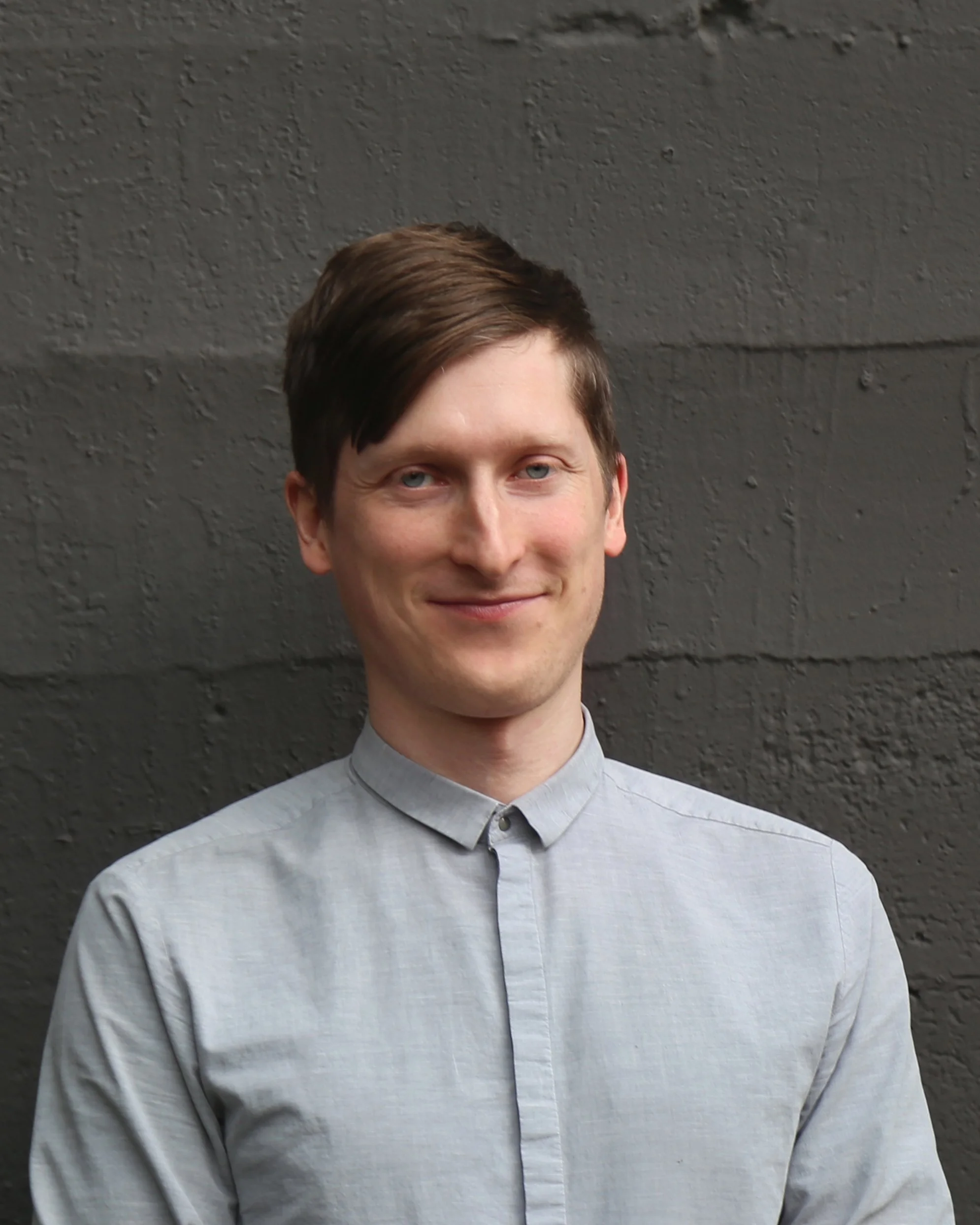
Timothy Cooke is a Senior Associate at LEVER Architecture and an instructor in the University of Oregon’s Portland Architecture Program, where he teaches about regional forestry practices and wood architecture. He has helped lead transformative mass timber projects in Portland, including The Nature Conservancy’s Oregon Conservation Center, Cascada Hotel, the Oregon Acoustic Research Laboratory, and the University of Oregon’s Highland Hall. Through his work with the Climate Smart Wood Group and an ad hoc working group advocating for greater transparency in the wood supply chain, he has become an advocate for more thoughtful and responsible wood sourcing practices within the building industry.
Now, we’ll hand it over to Timothy to share their perspective on sustainability, Portland’s future, and the projects and collaborations that inspire them.
1. What does sustainability mean to you?
I have been deeply influenced by the writing of Robin Wall Kimmerer, particularly her discussions of reciprocity and our relationship with the natural world. She writes about “abundance being stored in the belly of my brother”—a reminder that what sustains us is also something we have a responsibility to sustain.
To me, sustainability means recognizing that we should think of materials as part of an ecological relationship, not simply as commodities. This approach is fundamentally about reciprocity: creating a just and abundant future in which both human and non-human life can flourish. As architects, that means thinking beyond the immediate needs of a building and considering the forests, materials, communities, and ecosystems that make our work possible. We depend on these systems for our own flourishing, so we have a responsibility to care for them in return.
A great example of this is our partnership with The Nature Conservancy. LEVER saw an opportunity to connect land conservation and material choices by developing a building product that could directly benefit the regional landscape from which it was sourced. Working with Sustainable Northwest Wood, we partnered with Eastern Oregon sawmills to find a way to mill juniper into a viable and beautiful cladding material for the Oregon Conservation Center.
The juniper harvested for this project alone is estimated to have restored 750,000 gallons of water to the local ecosystem while restoring much-needed high desert grassland habitat for threatened populations of sage-grouse. In this way, we turned the building’s material supply chain into an extension of ecosystem restoration. Juniper is now being used on multiple buildings in Portland, bringing greater attention to the fact that the materials we choose matter far beyond the buildings we source them for.
2. Name a Portland (or Oregon) project or collaboration that has inspired you, and tell us why.
Last week, I stumbled across an ongoing renovation project in my neighborhood in North Portland: an old 7-Eleven at North Killingsworth and Greeley Avenue being converted into new retail spaces. I was inspired by the simple decision to reuse the existing building rather than tear it down and build something new. I strongly believe we should recognize the value already embedded in the buildings and materials around us.
I was also blown away by the beautiful wood roof structure hidden beneath the original façade. It is a hybrid glulam and light-frame wood structure that is at once simple, efficient, and elegant. There is something deeply compelling about these humble historic wood buildings of the Pacific Northwest. They represent an approach to building that is economical with materials, rooted in place, and designed to last. These are qualities I try to emulate in my work at LEVER.
Highland Hall, the University of Oregon’s new home for the Portland Architecture Program, is a good example. We transformed a former gymnasium into a light-filled architecture studio that celebrates the historic wood bowstring trusses of the original building. We also incorporated 7-inch-thick mass plywood panels reclaimed from a three-story test structure at Oregon State University’s Tallwood Design Institute. The result is a building that not only retains and highlights its existing structure, but also demonstrates the potential of treating existing buildings and materials as resources rather than waste. It now serves as a living laboratory for future architects to explore the possibilities of adaptive reuse.
3. What can Portland (or Oregon) be doing better to be more sustainable?
Building on my previous response, I am a strong proponent of reusing existing buildings rather than building new from the ground up. We should first ask whether we can adapt what we already have before deciding that a building needs to be replaced.
Our policies should make it easier to preserve and extend the value that already exists in our buildings, materials, and communities. Portland has already established itself as a national leader in this area by passing the first deconstruction ordinance in the United States in 2016. I would love to see Portland continue to build on that groundbreaking work by expanding incentives for adaptive reuse and making it easier for existing buildings to be preserved, renovated, and given new life.
I have worked on multiple projects, including the Oregon Conservation Center and Highland Hall, where existing wood buildings are given new life by exposing and celebrating historic wood structures that had been hidden behind drywall, acoustic ceiling tiles, and layers of paint. These structures are often beautiful, durable, and perfectly capable of continuing to serve us.
By keeping our existing buildings and infrastructure intact wherever possible, we can reduce material waste and the emissions associated with demolition, new material production, and construction. But adaptive reuse is about more than carbon. It is also about recognizing the value that already exists in our communities and finding ways to carry that value forward rather than starting over.