
3 Things with the Oregon Department of Environmental Quality
Portland has an amazing sustainability community, and we want to highlight the people and work that shape our unique city. We’re sharing their answers to questions we posed.
Meet the Oregon Department of Environmental Quality (DEQ) Team. DEQ’s Built Environment program is guided by Materials Management in Oregon: 2050 Vision and Framework of Action (2012) with the aspiration of “Oregonians in 2050 produce and use materials responsibly – conserving resources, protecting the environment, and enhancing well-being.” DEQ recognizes that progress toward the vision requires addressing the built environment because of the significant impact it has on people, the natural environment, and ecosystems. The Built Environment became a formal DEQ program in 2022. The mission of our work is to build relationships, influence policy, and support work that accelerates progress toward eliminating harmful impacts of the built environment, enhancing well-being of people and place (both natural and human-made), and creating a more just future for all beings.
Now, we’ll hand it over to DEQ to share their perspective on sustainability, Portland’s future, and the projects and collaborations that inspire them.
1. What does sustainability mean to you?
Sustainability means creating systems and places that support the long-term well-being of people, communities, and the natural environment, and recognizing that those things are deeply interconnected. DEQ’s Built Environment Program challenges the idea that environmental sustainability can be separated from questions of equity, justice, health, and access. It requires us to look beyond individual buildings or materials and understand the larger systems, policies, relationships, and historical conditions that shape their impacts. We must reduce harmful impacts while creating built environments that enhance well-being and contribute to a more just future for people, communities, and the natural systems we depend on.
2. Name a Portland (or Oregon) project or collaboration that has inspired you, and tell us why.
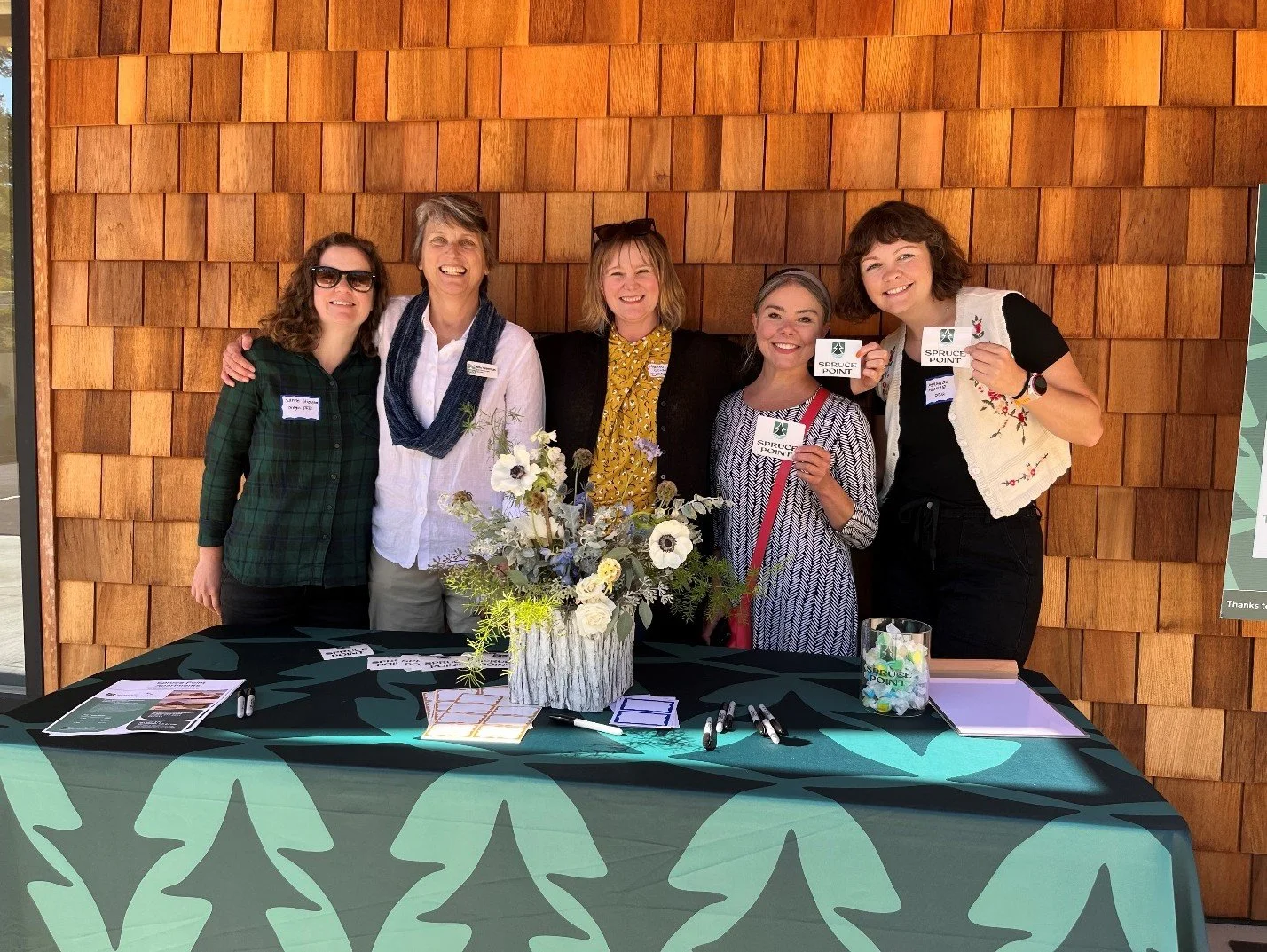
Our most inspiring and fulfilling work is rooted in collaboration with local Oregon communities. One recent example is our work with folks in Tillamook County. In 2023, DEQ hosted a series of North Coast community listening sessions where we learned that a lack of affordable housing is a top priority. In 2024, DEQ, in partnership with Tillamook County and eight other local governments, secured $25 million to stand up DEQ’s Low-Embodied Carbon Housing Program. The program is supporting the development of almost 1,000 new, lower-carbon, affordable homes across the state through financial incentives and technical assistance on low-embodied carbon strategies. Last month, we celebrated the grand opening of the program’s first completed project, Spruce Point in Manzanita. This much-needed affordable 60-unit complex of one-, two-, and three-bedroom apartments will soon become home to some 200 people earning 30 – 60 percent AMI. Together, DEQ and local community partners are demonstrating that we can address both the housing crisis and the climate crisis at the same time.
3. What can Portland (or Oregon) be doing better to be more sustainable?
How and what we build matters. Our built environment has impacts locally and globally and it’s important that we understand those impacts so that we can make better design decisions. To this end, DEQ’s Built Environment Program is currently undertaking a foundational research project that will help us unpack the supply chains of the building materials and products we use in Oregon and illuminate the impacts occurring in places around the world, throughout those supply chains with a particular focus on toxics and chemical exposure, and human and labor rights. We hope this research can lead to new opportunities to reduce and eliminate these embedded burdens in the design and construction of our built environment in Oregon.