
3 Things with Jill Batiuk
Portland has an amazing sustainability community, and we want to highlight the people and work that shape our unique city. We’re sharing their answers to questions we posed.
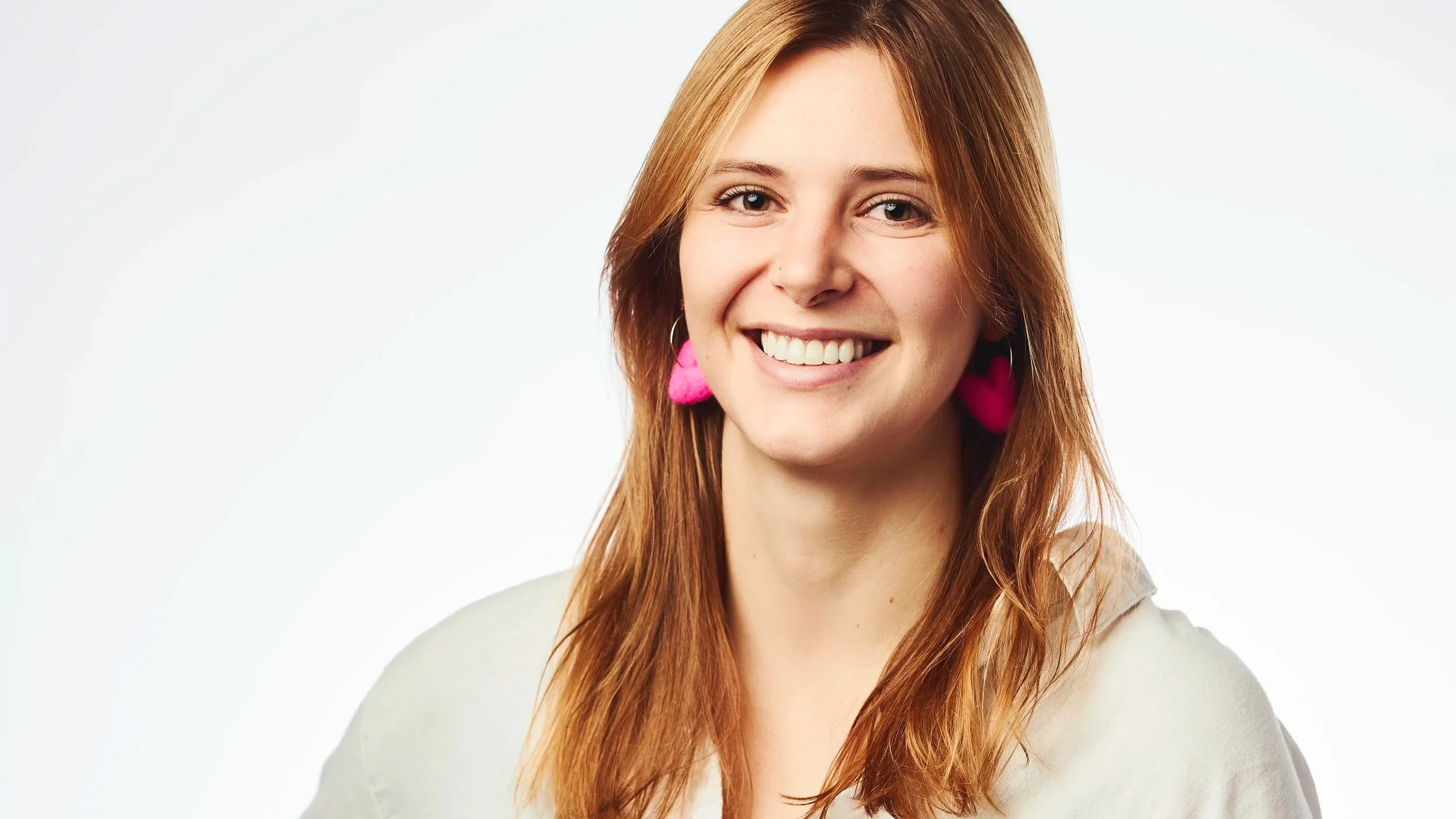
Jill Batiuk is the Sustainability Manager at Hoffman Construction, as well as the chair for their mental health program called Tough Enough to Talk. She joined Hoffman in 2022 as a data analyst supporting high-tech construction projects. In that role, she focused on improving the efficiency of asset tracking within the complex supply chains associated with offsite manufacturing.
As she became more familiar with project operations, she began noticing patterns of waste generation on jobsites and became interested in understanding how the construction industry could reduce its environmental impact.
Today, she works closely with her teams to integrate sustainable practices into construction projects and across their organization.
Now, we’ll hand it over to Jill to share their perspective on sustainability, Portland’s future, and the projects and collaborations that inspire them.
1. What does sustainability mean to you?
Sustainability is a broad topic. At work, it’s minimizing our environmental impact through reducing embodied carbon, water usage, and waste. I get to be creative in my job and find solutions that fit different jobsites. On a personal level, sustainability shows up in everyday choices. It is supporting vegan restaurants and regenerative farms, shopping at refilleries and reducing waste, and learning how our actions affect our environment. It has been a journey of growth and continuous learning, and I have enjoyed discovering new ways to appreciate and care for the world around me.
2. Name a Portland (or Oregon) project or collaboration that has inspired you, and tell us why.
The Portland International Airport project will always be a highlight for me. Not only is it an incredible architectural achievement and a project that our teams were proud to help build, but one of the most exciting aspects of the project is seeing how it has captured the public's attention. It is one of the first projects I have seen become part of everyday conversations, with people talking not only about its beauty and design but also about the sustainable principles behind it. The airport has become something Portlanders are proud of, and it so accurately reflects what makes Portland so special because it was created by local materials and designed and built by local teams. This project has generated so much enthusiasm for sustainable building, and it powers our creative drive as an industry to continue building beautiful and sustainable buildings.
3. What can Portland (or Oregon) be doing better to be more sustainable?
One of the things I love most about Portland is that sustainability is already part of our culture. People genuinely care about environmental issues and want to make responsible choices.
Looking ahead, I would like to see sustainability become more accessible and equitable for everyone. Often, sustainable options come at a premium. Whether it's housing, food, or everyday consumer choices, time and cost can be a barrier for many people. If we want sustainability to become the norm rather than the exception, we need to create more affordable and accessible pathways for people to participate. Specifically in the construction industry, I believe the next step is expanding practices we already know are effective. That starts with bringing owners, designers, contractors, and suppliers together earlier in the process so sustainability goals can be integrated from the beginning rather than added later.
I would also love to see continued emphasis on local materials, local suppliers, and local trade partners whenever possible. These decisions can reduce transportation impacts while supporting the businesses and workforce that make our communities stronger. The construction industry has made tremendous progress with low-carbon materials, material reuse, and innovative building methods. The challenge now is finding practical ways to make those solutions more accessible and achievable across a wider range of projects. If we can make sustainable practices the standard rather than the exception, we can create meaningful environmental impact while ensuring the benefits of sustainability are available to more people and communities.